


Diabetic Foot Care
Professional treatment of calluses and corns on at-risk feet. Painless, risk-free, and with visible results from the first session. Regain softness and comfort while walking.
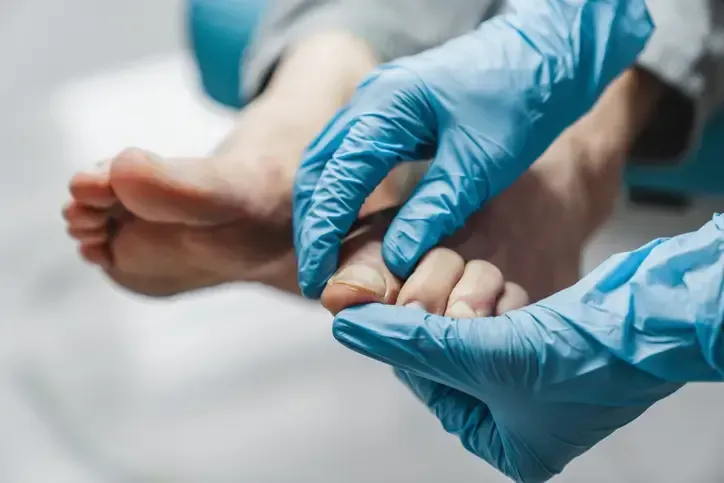
Comprehensive and holistic care for patients with high-risk feet

1. Comprehensive clinical assessment
A risk screening is performed at each consultation:
- Medical history (glycemic control, duration of symptoms, comorbidities)
- Vascular assessment (color, temperature, peripheral pulses)
- Neurological evaluation (protective, vibratory sensitivity)
- Dermatological and nail inspection (hyperkeratosis, fissures, mycosis)
- Identification of pressure zones and deformations
The risk is classified to define the frequency of control and the management plan.
2. Sensitivity assessment (neuropathy)
Detection of loss of sensitivity with clinical tools:
- 10g Monofilament
- Tuning fork (vibration)
- Thermal and pressure tests
Objective: to identify risk of inadvertent injury.
3. Safe nail cutting and milling
Nail care with specialized technique:
- Straight cut, without encroaching on furrows
- Controlled milling of thickened nails
- Avoid microtraumas that can trigger infections
4. Delamination of hyperkeratosis
Removal of calluses that increase plantar pressure:
- Controlled and non-invasive elimination
- Reduction of pressure points
- Prevention of underlying ulceration
5. Injury prevention and management
In case of initial injuries:
- Cleaning and disinfection of the area
- Protection with appropriate dressings
- Pressure relief (felts, orthotics)
- Timely referral if there is a serious condition
6. Plant discharge (offloading)
Redistribution of burdens to protect vulnerable areas:
- Use of downloadable materials
- Recommendation of custom templates
- Therapeutic footwear fitting
7. Patient education (key to treatment)
The patient is instructed on:
- Daily foot check
- Proper hygiene and hydration (without excessive interdigital moisture)
- Proper nail trimming
- Choice of footwear (wide toe box, no pressure)
- Glycemic control
Critical considerations
- Non-invasive and highly controlled management
- Strict use of sterile instruments
- Avoid aggressive cutting or home remedies
- Close monitoring in patients with neuropathy or peripheral vascular disease
Warning signs (urgency)
The patient should seek immediate medical attention if they experience:
- Open wounds or ulcers
- Change in color (reddish, purple or black)
- Secretion, foul odor, or local heat
- Unusual pain or, conversely, a total absence of sensation
