


Nail trimming in the elderly
Professional treatment and solution for onychomycosis, dryness, etc. Painless, risk-free, and with visible results from the first session. Regain smoothness and comfort when walking.
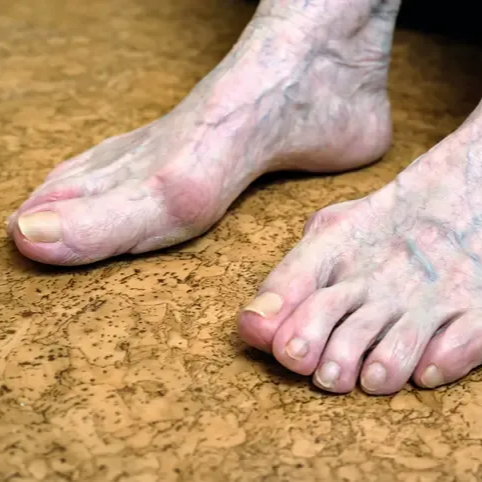
Haircut in the elderly

Nail trimming in older adults requires a clinical, preventative, and highly careful approach. With age, nails and skin undergo structural changes (thickening, fragility, reduced elasticity), and vascular and neurological alterations may coexist, increasing the risk of injury if trimming is not performed correctly.
1. Prior clinical assessment
Before the procedure, the following is evaluated:
- Condition of the nail plate (thickness, color, deformity)
- Presence of onychomycosis or subungual debris
- Signs of onychocryptosis (painful edges)
- Skin integrity (cracks, ulcers, dryness)
- Basic vascular assessment and sensitivity
📌 This assessment defines the technique and instruments to be used.
2. Geriatric podiatric cutting technique
The cut is adapted to the patient's condition:
- Straight cut respecting side edges
- Functional length adjustment (avoid very short nails)
- For thickened nails: milling or controlled mechanical reduction
- Elimination of irregular edges that generate pressure
📌 Precise, progressive and painless procedure.
3. Complementary management
It is frequently integrated into the service:
- Delamination of hyperkeratosis (calluses)
- Nail groove cleaning
- Deep skin hydration
- Pressure zone review
4. Common changes in older adults
- Thicker and harder nails (onychogryphosis in some cases)
- Slower growth
- Dry and fragile skin
- Decreased sensitivity
- Circulatory problems
5. Prevention of complications
The right haircut helps to avoid:
- Ingrown toenail (onychocryptosis)
- Infections (bacterial or fungal)
- Pain when walking
- Pressure injuries from footwear
6. Patient Education
- Avoid cutting your own nails if you have visual or motor difficulties.
- Do not use unsuitable tools
- Keep your feet clean and moisturized
- Wear comfortable and roomy shoes
- Perform periodic checks
Important podiatric considerations
- Non-invasive procedure, but requiring high clinical care
- Mandatory use of sterile instruments
- Greater caution is needed in patients with diabetes mellitus or vascular disease.
- Avoid aggressive or deep cuts
Warning signs
Seek immediate medical attention if the following occurs:
- Pain in the edges of the nail
- Inflammation or redness
- Changes in nail or skin color
- Wounds, fissures, or discharge
