


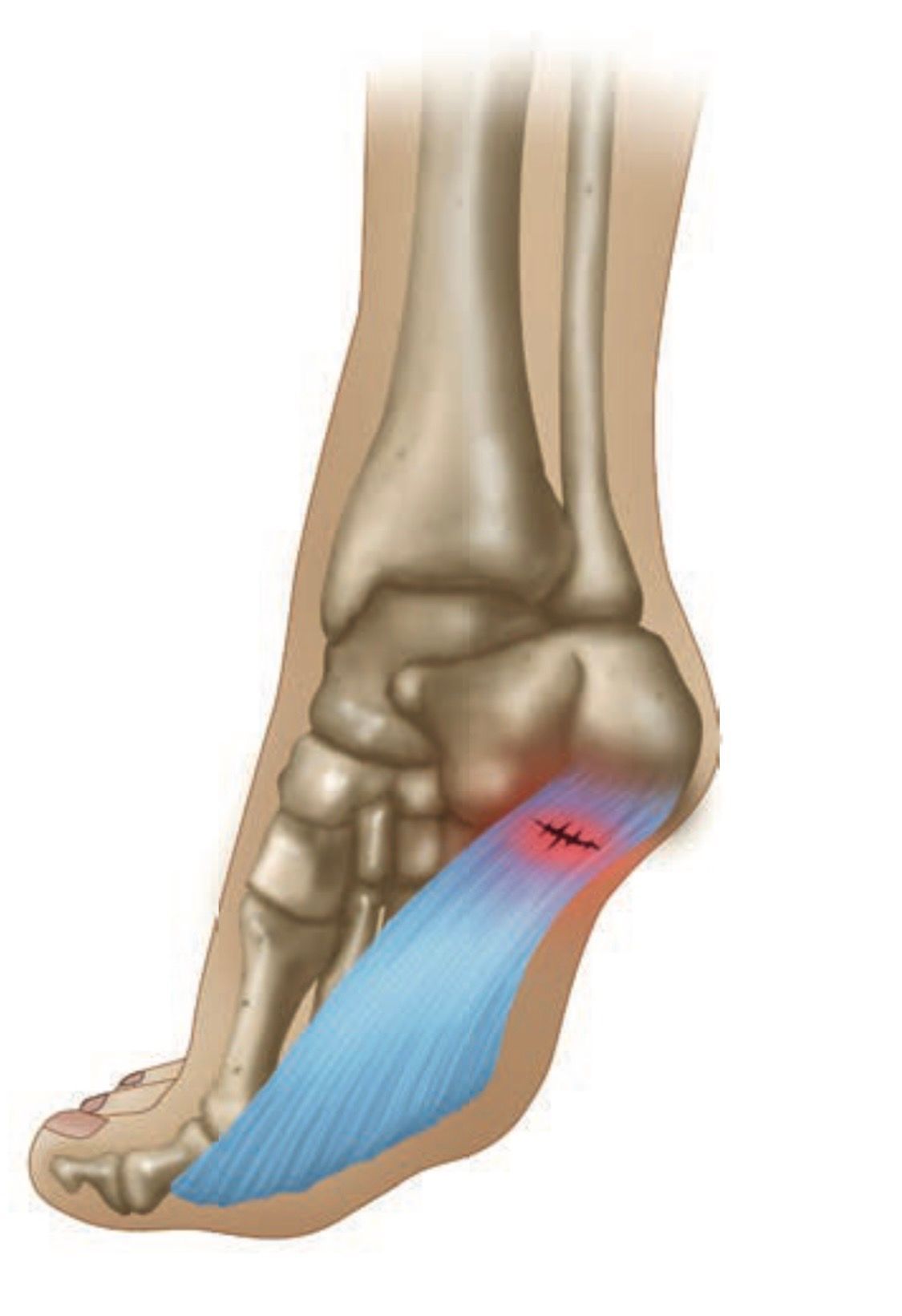
Fascitis Plantar
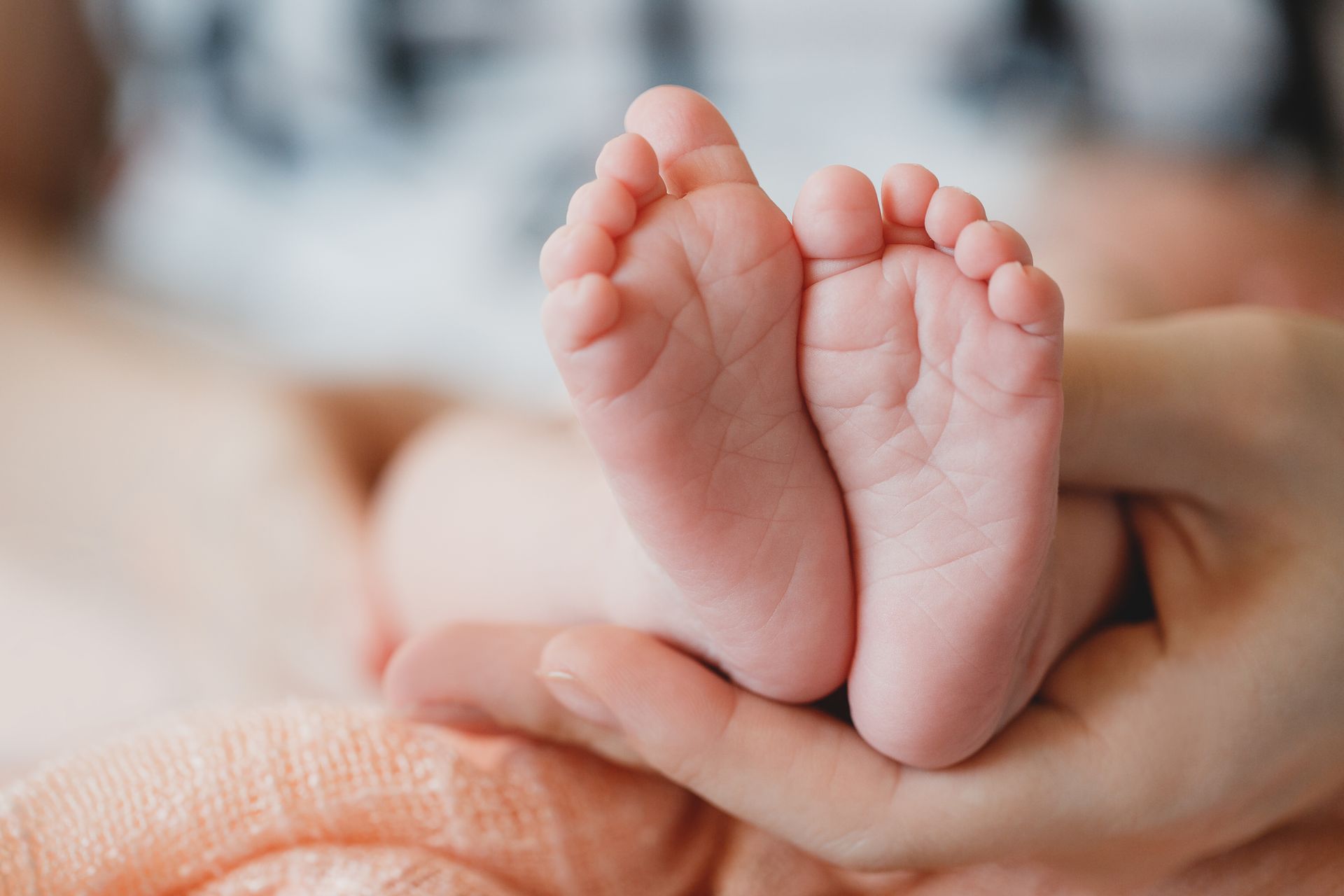
Las uñas de los pies del bebé durante el primer año de vida Durante el primer año de vida, los pies de los bebés son delicados, flexibles y naturalmente “gorditos”, lo cual es completamente normal y no representa motivo de preocupación. Esa apariencia suave y redondeada no determina si el niño tendrá pie plano o arco alto en el futuro. Es muy importante no cortar las uñas de los pies de un recién nacido en casa. Sus uñas son extremadamente delgadas y están muy adheridas a la piel, y un mal corte puede provocar uñas enterradas, infecciones o incluso lesiones dolorosas. En muchos casos, las uñas del bebé se desprenden naturalmente por sí solas. Si parecen demasiado largas, lo mejor es limarlas suavemente con una lima especial para bebés sobre uñas secas o, de preferencia, acudir con un profesional. Otro punto clave es evitar calcetines apretados, pijamas ajustadas o zapatos, especialmente si no son de la talla correcta. Estos pueden limitar el movimiento natural de los dedos, interferir con el desarrollo adecuado del pie y causar uñas enterradas o pequeñas deformidades sin que los padres lo noten. Recuerda que los bebés no necesitan zapatos hasta que comienzan a caminar. Hasta entonces, lo ideal es que sus pies permanezcan libres o cubiertos únicamente con calcetines suaves y no restrictivos. El contacto con diferentes texturas y superficies ayuda a fortalecer los músculos, desarrollar el equilibrio, favorecer la integración sensorial y conectar con su entorno. Cuidar sus pies desde el principio les brinda una base saludable para comenzar su camino por la vida. Con cariño, Podóloga Elia Stuart
